
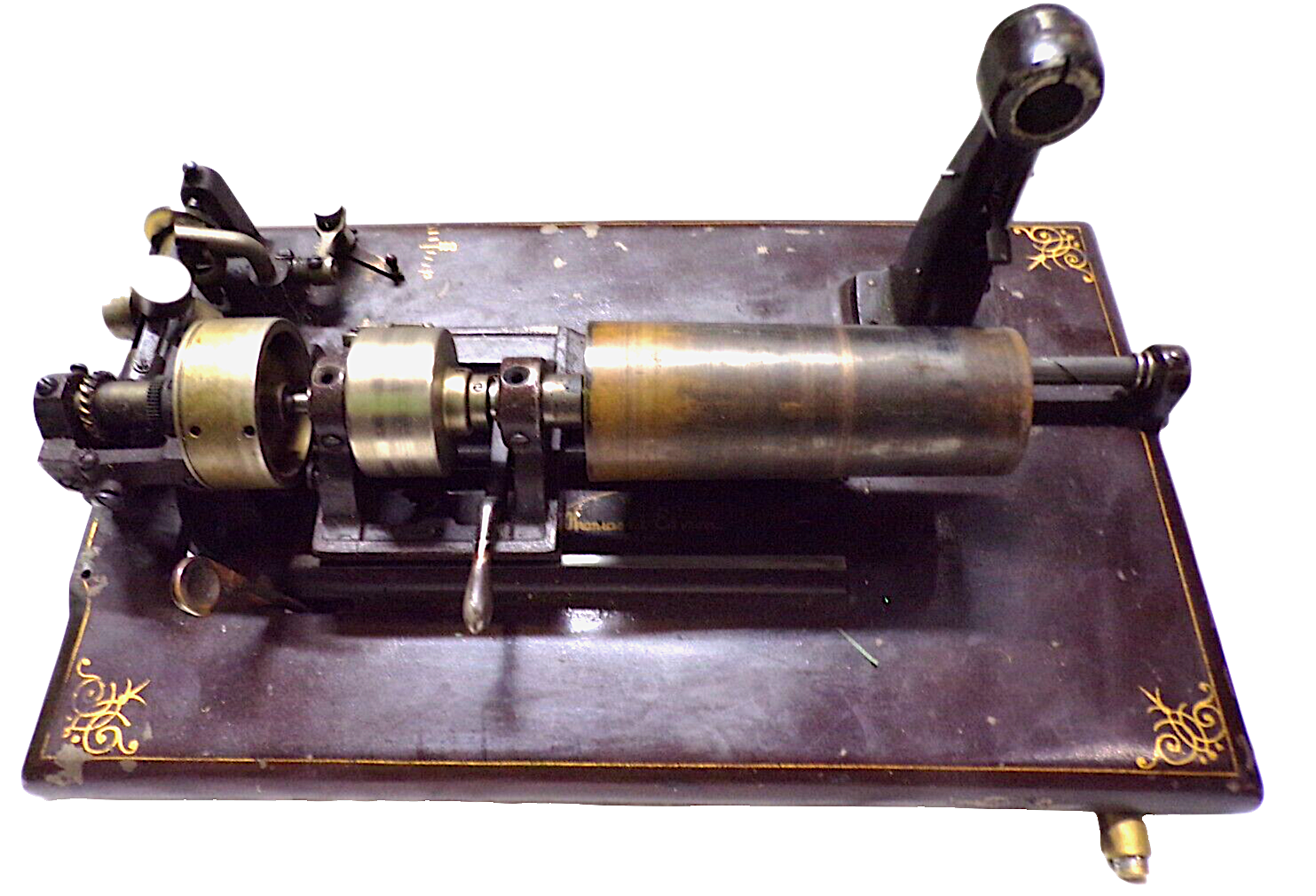
Edison wax-cylinder machine
Lawrence Gellert (link) used first a makeshift, wind-up recording machine and paper-backed zinc discs. After 1930 a Presto (more about this machine later).

John Lomax (link) recorded the first songs with a primitive Edison wax-cylinder machine.
"He was lugging an old-fashioned Edison recording machine about the size of a hay wagon" (Virginia Lebermann)

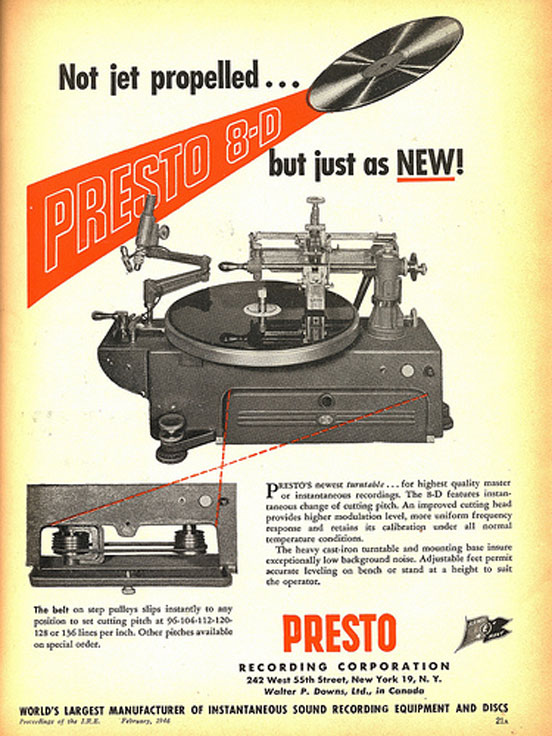
Presto recorders
It was a hell of a job to lug those things around. The sound wasn't great and you couldn't listen back on the spot. Writing down the lyrics and musical notes later was also quite a task.
Therefore, an alternative was sought.
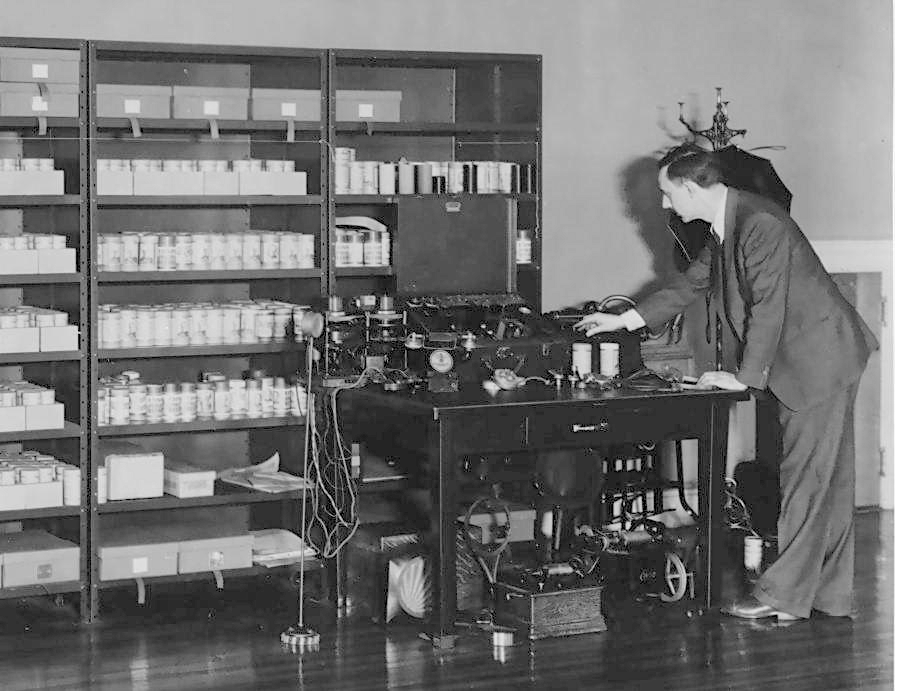
Robert Winslow Gordon had experimented in the field with a portable disc recorder, but had had neither time nor resources to do significant fieldwork.
Lomax made an arrangement with the Library whereby it would provide recording equipment, obtained for it by Lomax through private grants, in exchange for which he would travel the country making field recordings.
In July 1933, he acquired, 315 pounds (143 kg) phonograph uncoated-aluminum disk recorder; a series of Presto recorders and blank discs.
The machine cut grooves into an aluminum or acetate disk. The new system enabled him to play back his recordings on-site.
Although the Presto recorder came in a case with a handle, it was hardly "portable" in any real sense.
From that time on, his then 18-year-old son Alan helped with the recordings.
They installed the system in the trunk of their Ford sedan and started to record, at the Louisiana State Penitentiary at Angola. During the next year and a half, father and son continued to make disc recordings of musicians throughout the South.
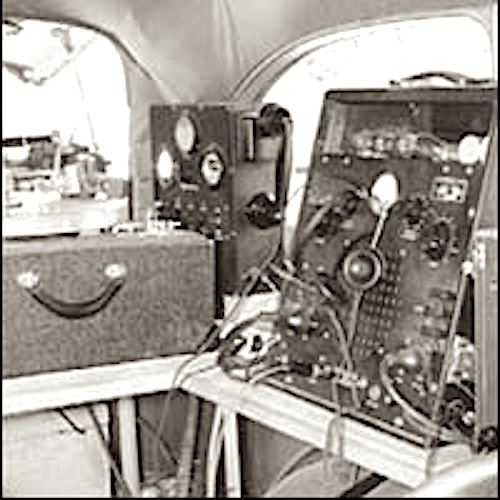
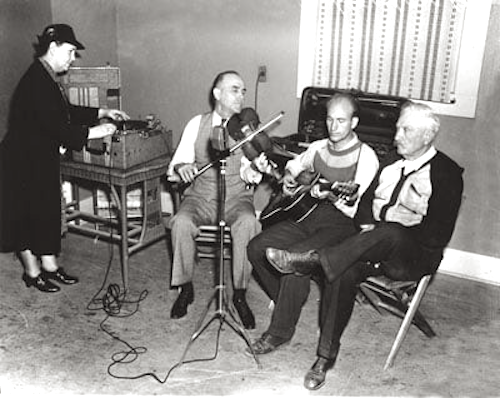
Field recording
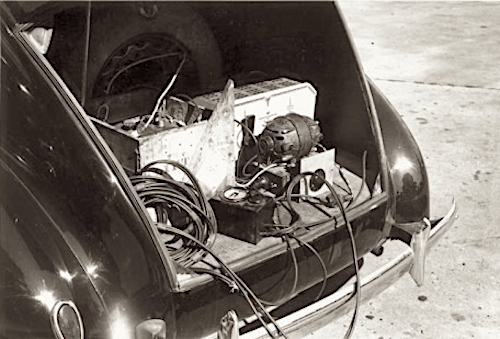
Like other folklorists in the 1930s and 1940s, Alan traveled with the machine in the back of his car. Some folklorists used a converted ambulance for the equipment. In order to record in places where there was no electricity, they used the car battery, which was attached to a transformer, which was attached to an amplifier, which was attached to the Presto machine.
Instead of a horn, Alan ran a cable from the machine to a microphone. In this respect, the way he recorded was much more modern, and of higher fidelity, than the cylinder recordings that his father made.
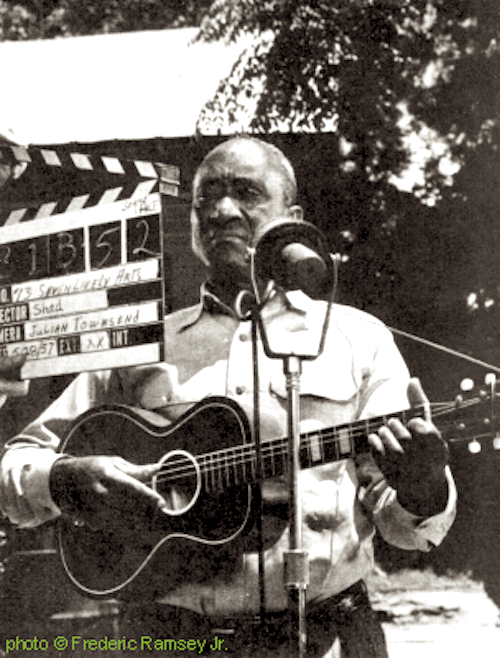
Magnecord, Ampex, Kudelski Nagra
By the late 1940s, folklorists began to use a new type of machine, the tape recorder. While tape recorders had been around for many years, the first portable machines became available only around 1947.
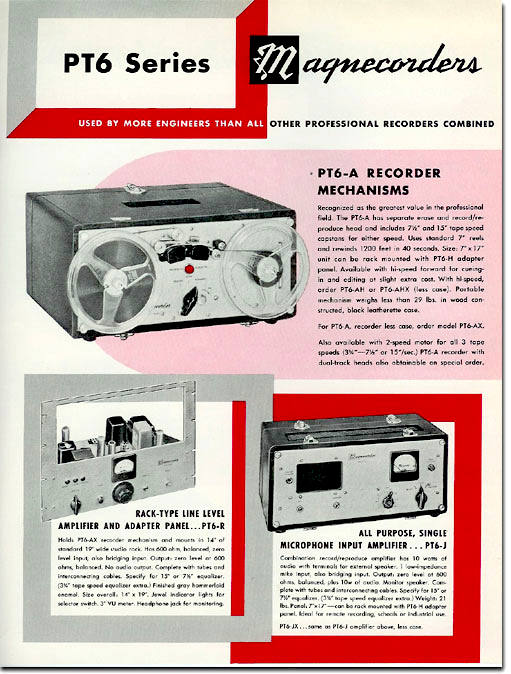
When Alan Lomax began his European fieldwork in the early 1950s, he used a Magnecord tape recorder, which was the state-of-the-art machine for field use. It was not as bulky as the disc recorder, but still required two cases, one for the recorder and one for the amplifier. As with the disc recorder, where there was no local electricity, the machine needed power from batteries.
For his southern trip, Alan made a list of items and equipment he needed and what it would cost.

Some of the equipment:
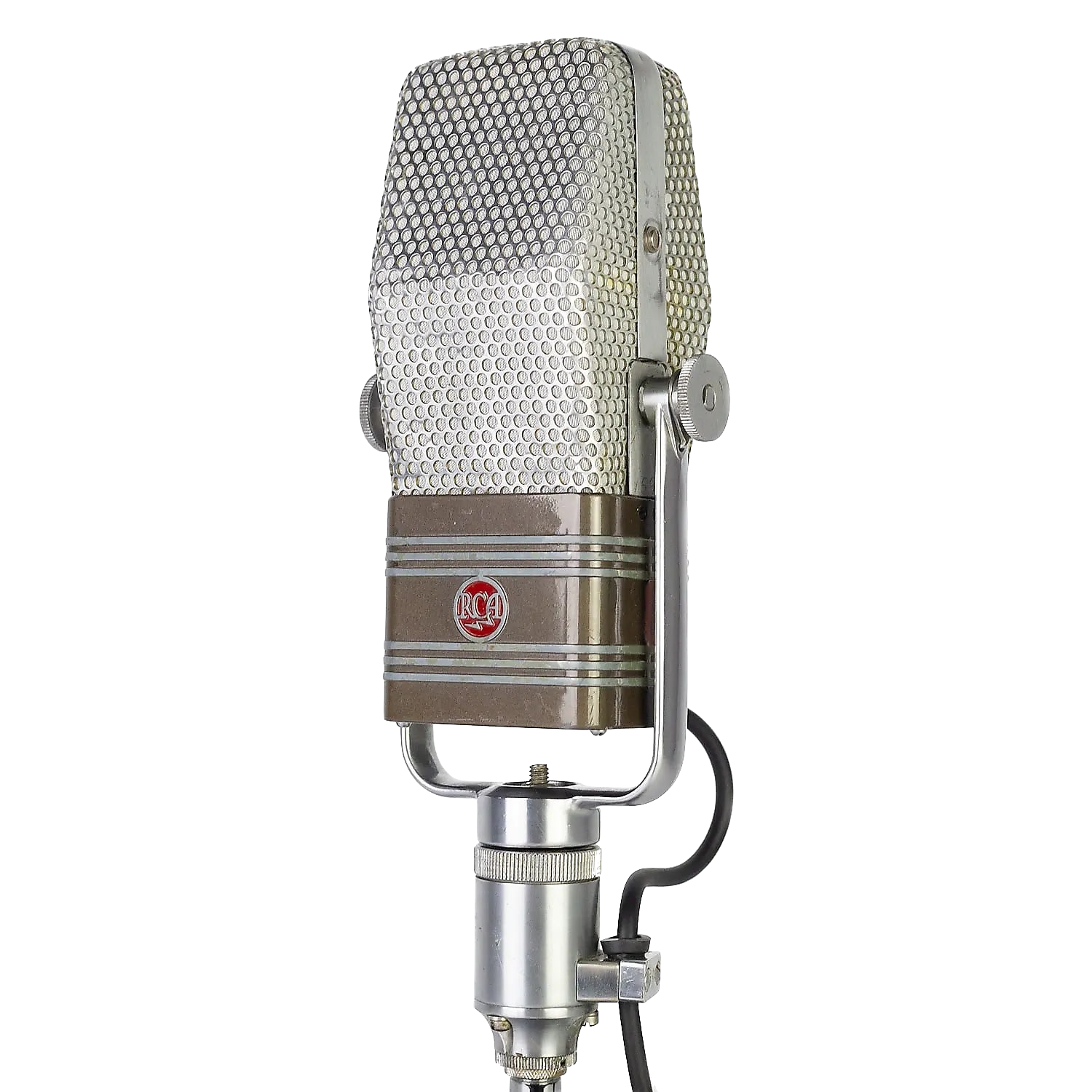
RCA D77 Mikes or 44 range
Most of the times one microphone, with a group two mics
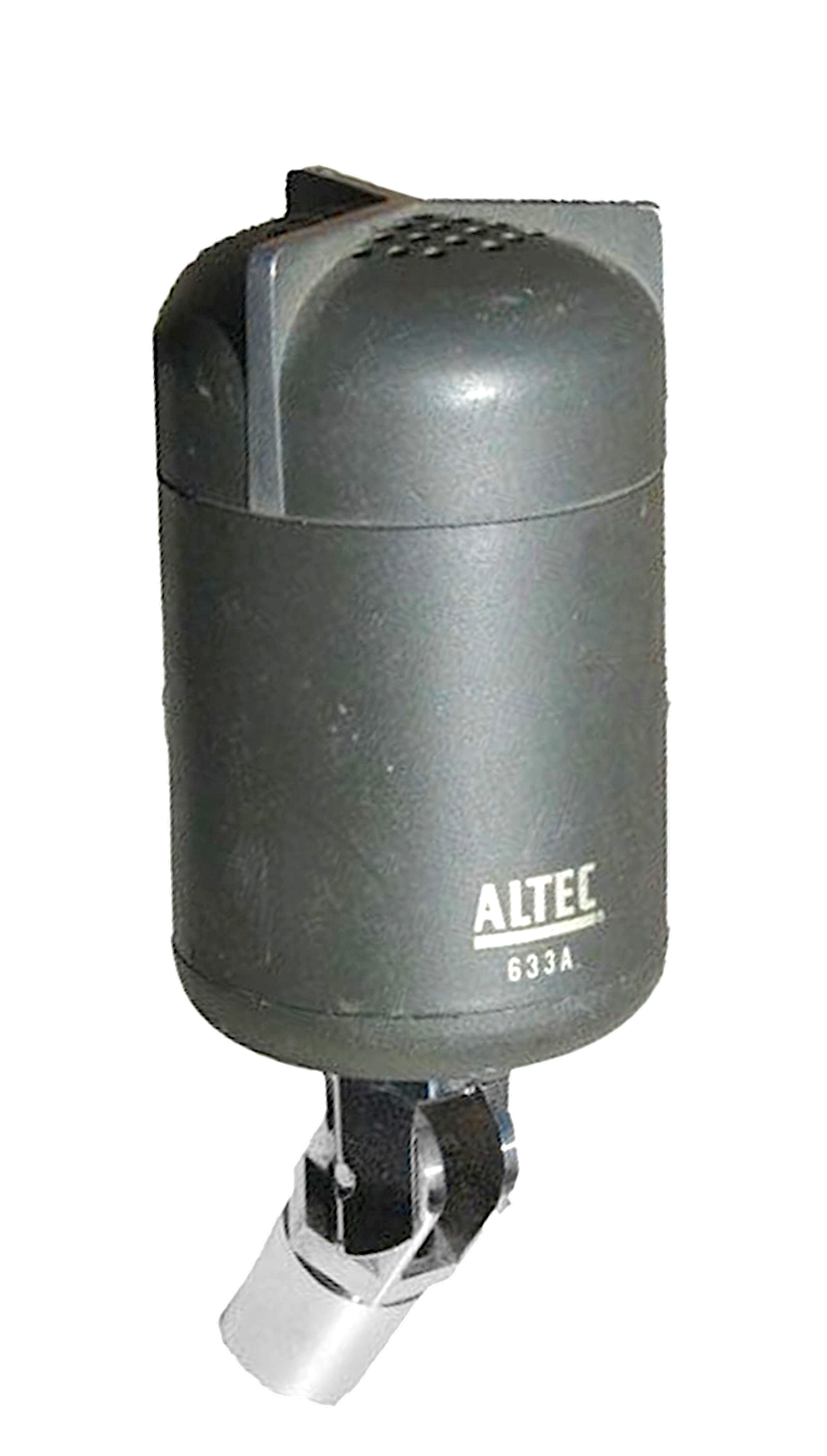
Altec lipstick mic and three RCA DCA 77 mics.
Lomax also used Capps microphones (according to Arhoolie)
Ampex 601-2 recorder


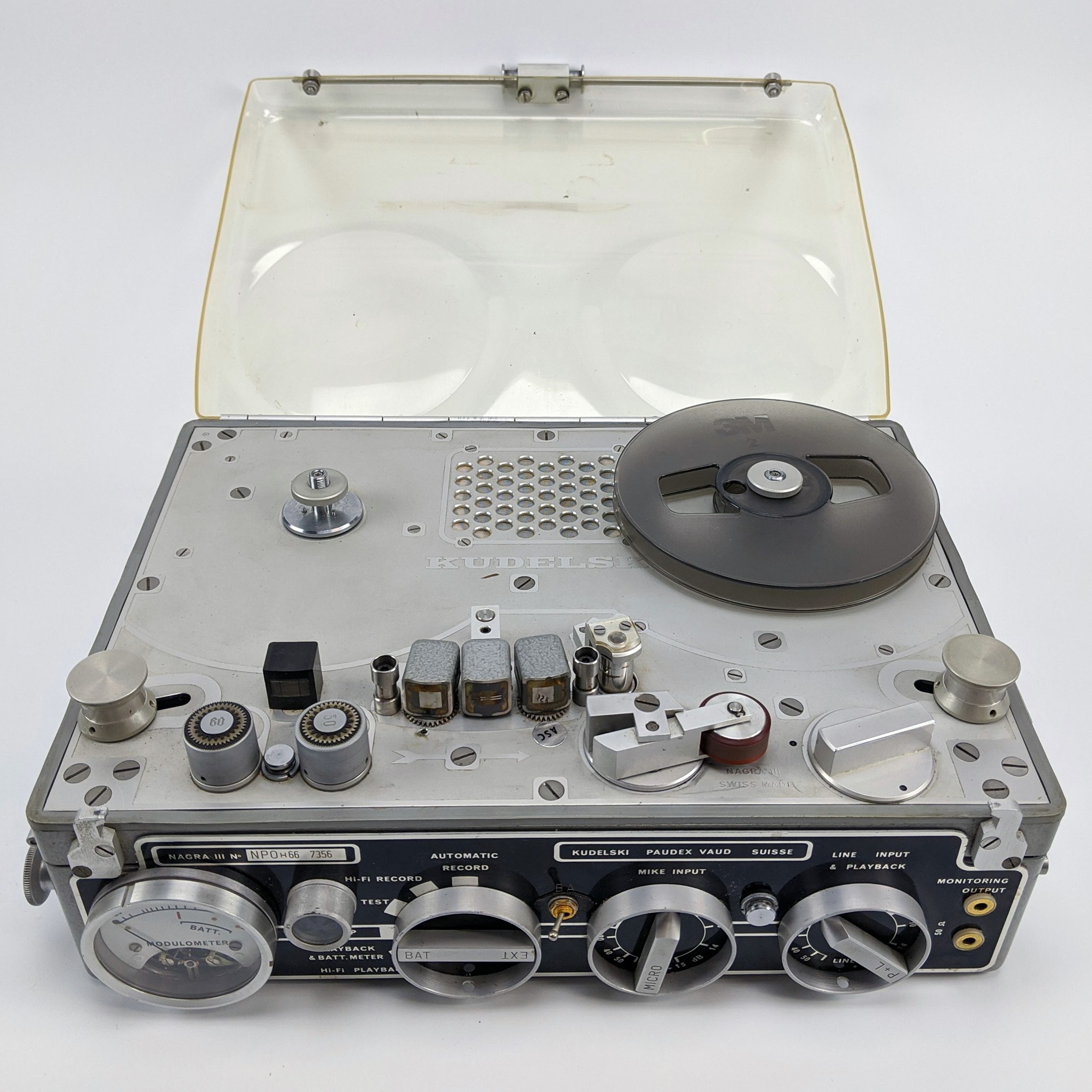
In the 1960s, Alan took with him a very portable Kudelski Nagra model 3 reel-to-reel recorder. These are top models from the Swiss Stefan Kudelski (Introduced in 1957).


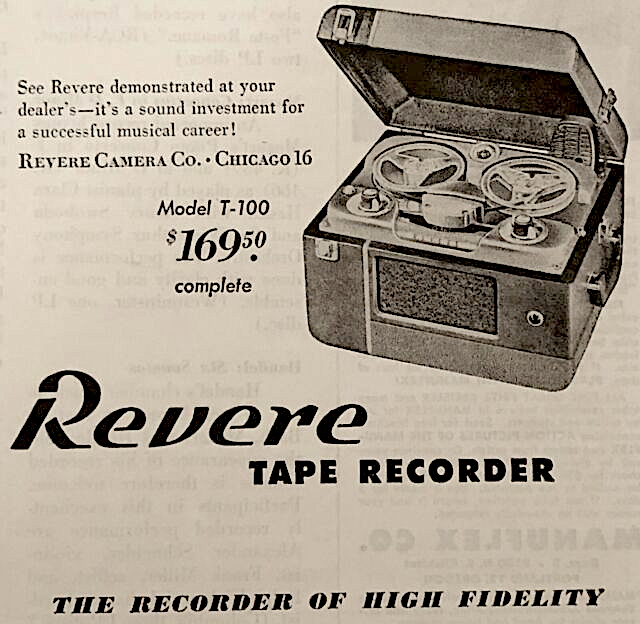
Wollensak, Roberts, Reverve, Uher recorders
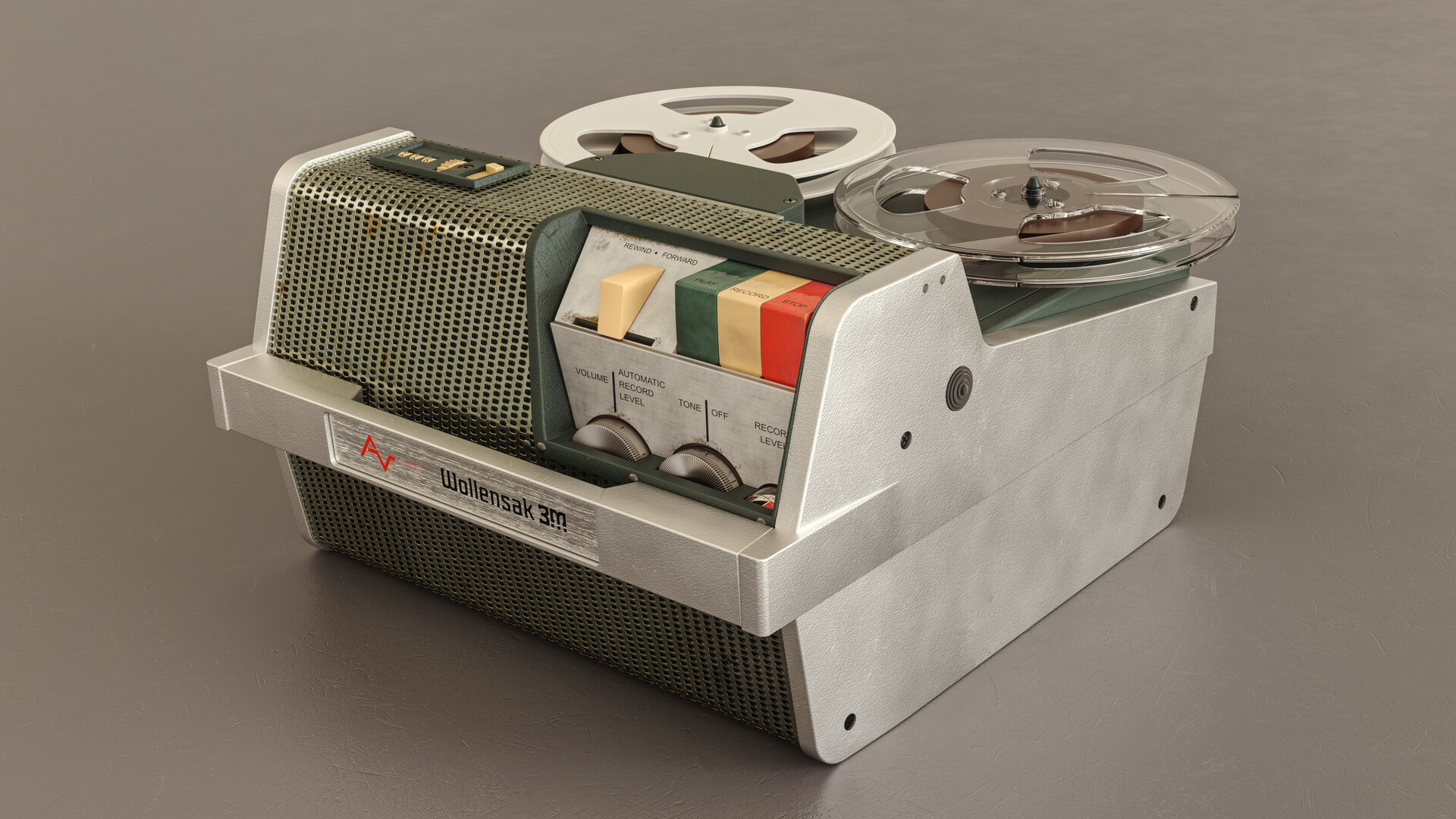
In 1967, George Mitchell travelled with his wife Cathy and a Wollensak tape recorder to Mississippi to document blues legends.
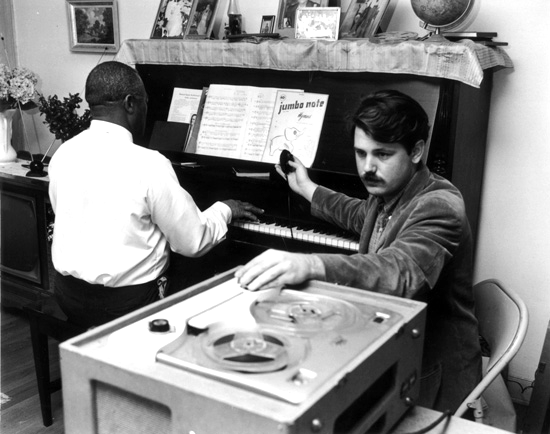
Tary Owens armed with a Roberts reel-to-reel tape recorder, microphone, and stand, roamed around Texas in search of roots music.
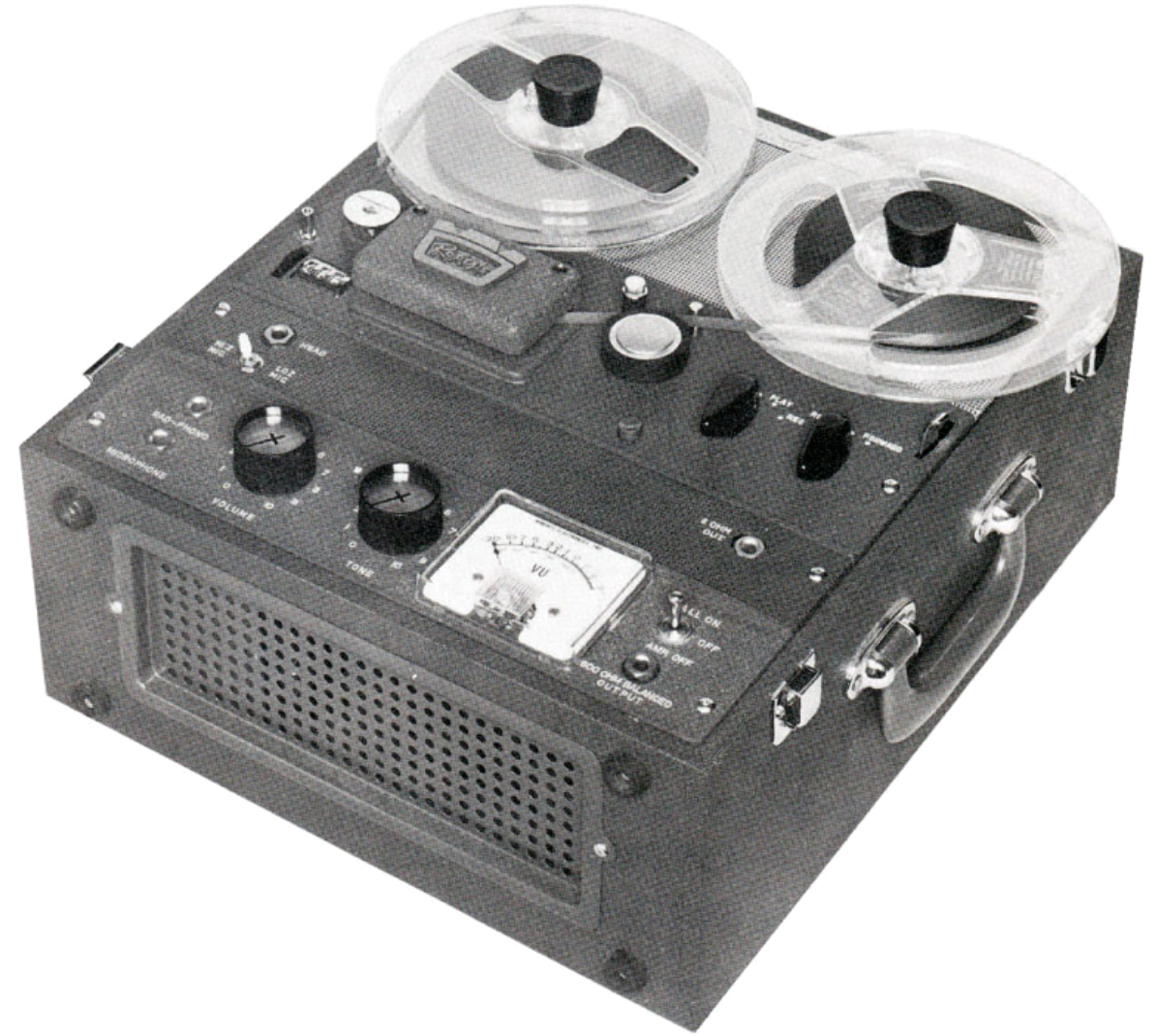
Axel Küstner (and Bengt Olsson) started with a portable Uher 15 inch reel tape recorder and a Sennheiser microphone (we called this microphone "The Shaver").


Peter Bartók
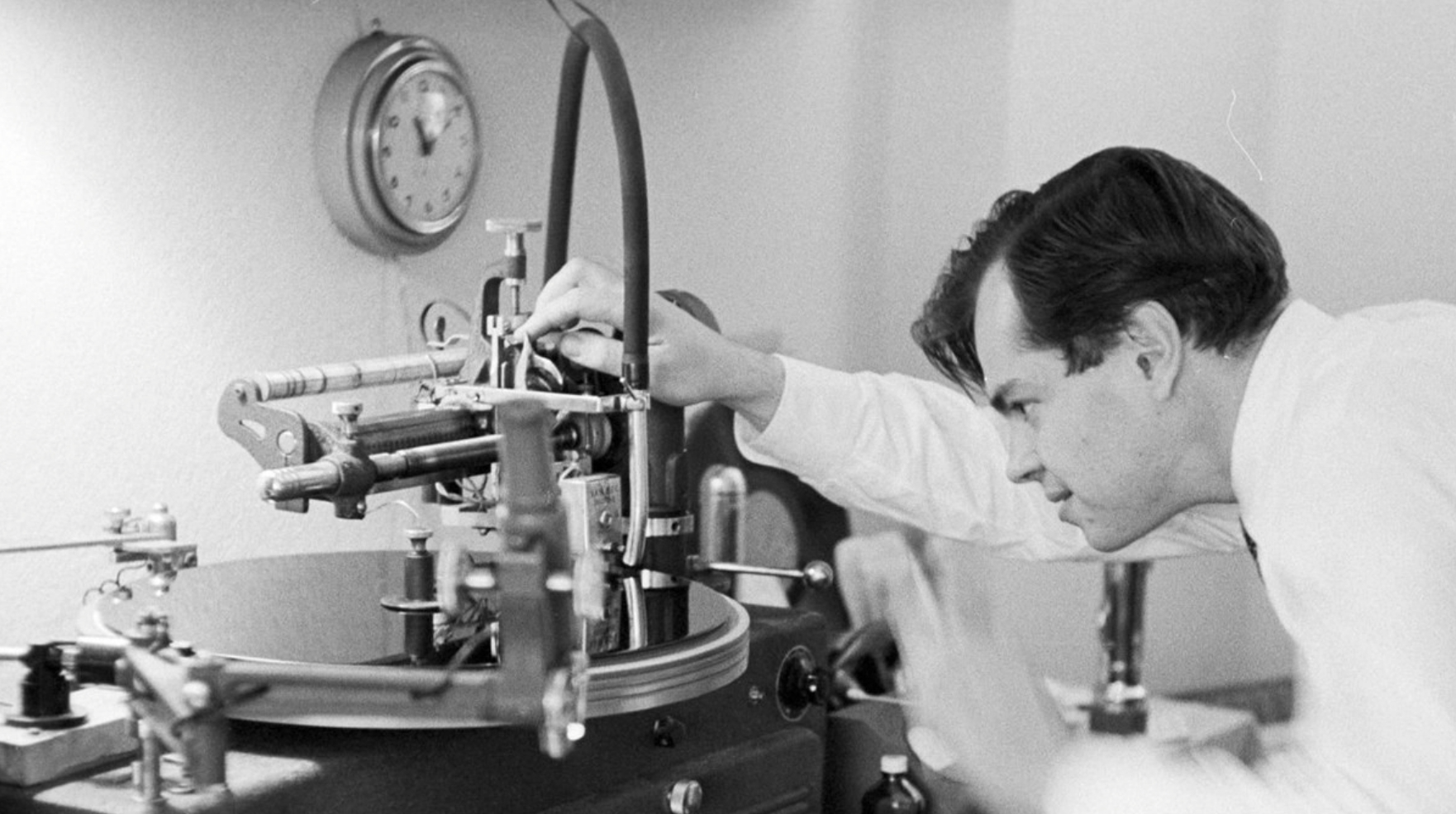
This column was written following an interview (link) by Paul Samler with Peter Bartók for AudioXpress in 2006.
Peter Bartók was a pioneering recording engineer and one of the best of the early LP-era engineers, involved in remarkable recordings with his New York City label Bartók Records, and working with Moses Asch’s Folkways Records, as well as disk-cutting for early-era Elektra Records and other small NYC area labels.
Peter was the son of composer Béla Bartók, and pianist Ditta Pásztory. Peter himself was a meritorious piano player. He founded Bartók Records in New York in 1949. He moved to Los Angeles in the 1960s, where he contributed to improving the sound of LPs for, among others, Electra Records. In 1980 he moved to Homosassa, Florida.

Peter Bartók cut records and made tape recordings; much of his work was done using equipment he designed himself. In that respect, he qualifies as one of the pioneering audio engineers of the LP era.
Peter Bartók’s greatest public impact came from his involvement with Folkways Records; an entire generation grew up learning about American and world traditions from those records with double-pocketed jackets containing extensively-notated booklets. Pete Seeger, Woody Guthrie, Leadbelly, the New Lost City Ramblers, ethnographic tapes from every corner of the earth — even the first recordings of avant-garde composer John Cage.
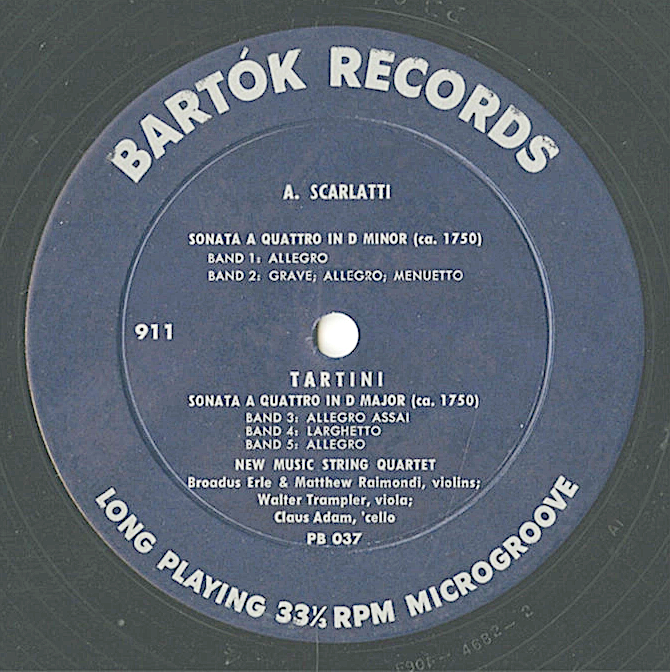

Folkways (Moses Asch) was one of his earliest customers for cutting long-playing masters. They brought the tapes, and Bartók Records transferred them on long-playing lacquer discs, which then went to the factory and were plated.
Peter:
"The Folkways tapes were of different quality and often recorded under less than ideal conditions. That is why we first made a master tape of it, which was especially well equalized to get a natural sound. There has to be always enough balance between the highs and the lows, and the middles—not enough to have just the highs and the lows, the middles are very important too—and one has to use one’s ear. Of course, there are limitations, but some of the records could become quite good, even though they came on primitive tapes."
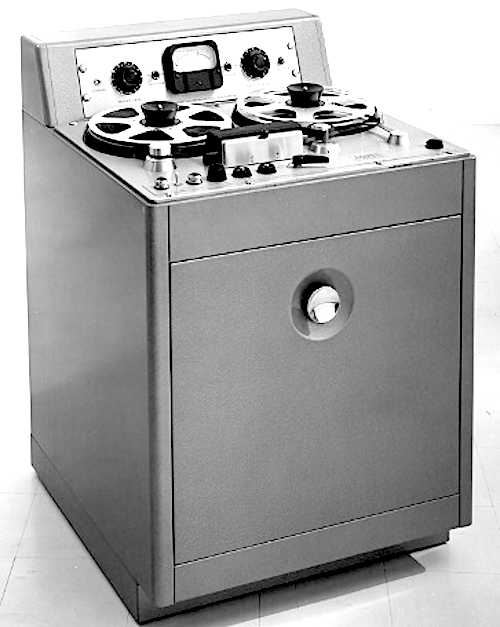
"For tape recording we used an Ampex 300, which made everything very easy. Let us say there was a set of 78 records that we had to copy on an LP; it was easier to put it first on tape than to keep changing the original source.
The recording stage, the power stage, of the recording amplifier was a single tube, and I preferred push-pull (just as it happens in a loudspeaker), an amplifier which uses two tubes in a symmetrical arrangement. All my electronic equipment was home-designed and built."


"I still use a monitor amplifier built in 1950; a Sarser-Sprinkle “Musician’s Amplifier,” an American version of D.T.N. Williamson’s pioneering amp2. Peter Bartók’s amplifier was built for him by David Sarser."
For mics we used a ribbon microphone, the RCA 44-BX and an Altec, a decapitated Altec. For the guitars we might have used the 44-B. About the decapitated Altec I have to say that it was stainless steel, and we had to take it to some shop where they had the necessary equipment to cut it precisely, so they don’t cut into the working part of the microphone. The whole thing was tiny." (Remark; the Altec was closed at the top and only had openings on the side to allow sound to pass through, Bartók also wanted to let sound through at the top.)
"For monitoring our cutting and recording we used Wharfedale (UK) speakers."
"When recording, we followed two simple principles; if you are too far from the musicians, then they will sound in the background with a lot of room sound, whereas if you go too close, then you lose the room sound, and all you hear is the musicians. You want to have some of both; you want to have the reverberation of the room as well as the original sound, from the proper distance."