In this column: nicknames, stage names, lightnin', smokey, smoking, magic, mighty, Maxwell Street Jimmy Davis, Lightnin' Hopkins, Smokey Robinson, The Miracles, Smokin' Joe Kubek, Bnois King, Smokin' Joe Bonamassa, Smokey Hogg, Magic Sam, Magic Slim, The Teardrops, Mighty Joe Young
Introduction
This episode tells the stories of the blues musicians, who chose or received an exciting and appealing name. It has been a long tradition that artists chose a different name with which they could better present themselves to the public. When they formed a band together, they also had to come up with a name that everyone could unite with. Adopting a different name for yourself is the same idea. The name often came to mind among musicians who played on the street.
An example of such someone is: Maxwell Street Jimmy Davis a.k.a. for Charles W. Thompson (a.k.a. Jewtown Jimmy).
Davis remained a regular street musician on Maxwell Street, in Chicago, for over 40 years. Davis owned a small restaurant on Maxwell Street, the Knotty Pine Grill, and performed outside the premises in the summer. It is uncertain when he took the name Jimmy Davis, but in 1964, under that pseudonym, he recorded a couple of tracks for Testament Records.
Maxwell Street Jimmy Davis – Hanging Around My Door (1963)
Maxwell Street Jimmy Davis on Canal Street (1994, Sept 25)
Samuel John "Lightnin'" Hopkins
Hopkins travelled to Los Angeles. Lola Anne Cullum, a young talent scout, spotted Texas Alexander and Sam Hopkins playing on DowlingStreet. She was scared of the old man but was impressed by young Sam Hopkin and took him, along with pianist Wilson "Thunder" Smith, to Los Angeles, where she had established a contact with Ed Mener of Alladin Records, one of the many new record companies specializing in Rhythm & Blue. It was Mrs. Cullum who apparently gave Sam the nickname, "Lightning" while making his first record with pianist "Thunder" Smith.
Much of Hopkins's music follows the standard 12-bar blues template, but his phrasing was free and loose. Many of his songs were in the talking blues style. Lyrically, his songs expressed the problems of life in the segregated South, bad luck in love and other subjects common in the blues idiom. He dealt with these subjects with humor and good nature. He often referred to himself as "Poor Lightnin'" in his songs when talking about himself.
Samuel “Lightnin” Hopkins and Billy Bizor – Mr. Charlie’s Rolling Mill (The story of the little boy who stuttered but could make himself understood by singing)
Lightnin’ Hopkins – Good Morning (Live North Sea Jazz Festival, Holland 1981)

Smokey, Smoky and Smokin'
The name Smokey is of English origin and means "Soul of fire".
Also in the meaning of "smokin' hot" when someone is particularly good at something, for example playing the guitar or making the band sound "smokin' hot.
William "Smokey Robinson"
Smokey Robinson got his nickname from his uncle because he loved cowboy films so much and therefore gave him a cowboy name "Smokey Joe" (Joe with the smoking revolver). Later he dropped "Joe".
Smokey Robinson – Ooh Baby Baby
Andrew "Smokey" Hogg
Hogg was an American post-war Texas blues and country blues musician.
While still in his teens he teamed up with the slide guitarist and vocalist B. K. Turner, also known as Black Ace, and the pair travelled together, playing a circuit of turpentine and logging camps, country dance halls and juke joints around Kilgore, Tyler, Greenville and Palestine, in East Texas.
Smokey Hogg – Little School Girl (1950)
"Smokin' Joe" Kubek
Joe was an American Texas blues electric guitarist, songwriter and performer.
In the 1970s during his teen years, he played with the likes of Freddie King and in the 1980s began performing with Louisiana-born musician and vocalist, Bnois King.
Joe said: “I was in awe any time I was around Freddie King. I learned a lot about feeling and execution. He always came onto the stage hot. You have to entertain people from the second you start.”
Smokin’ Joe Kubek And Bnois King – Complete concert at J and J Blues Bar (2006)
Joseph Leonard "Smokin' Joe" Bonamassa
When he was twelve years old, he had his own band called Smokin' Joe Bonamassa, which gigged around western New York and Pennsylvania.
Nowadays Joe is one of the greats as a blues guitarist with performances all over the world and projects that connect many artists. And rightfully an ambassador of contemporary blues music.
Joe Bonamassa – The Thrill is Gone (2011, Live at Baked Potato)
Magic
Samuel "Magic Sam " Gene Maghett
Willie Dixon said: "Magic Sam had a different guitar sound. Most of the guys were playing the straight 12-bar blues thing, but the harmonies that he carried with the chords was a different thing altogether. This tune "All Your Love", he expressed with such an inspirational feeling with his high voice. You could always tell him, even from his introduction to the music."
The stage name Magic Sam was devised by Sam's bass player Mack Thompson, as an approximation of "Maghett Sam". The name Sam was using at the time, Good Rocking Sam, was already being used by another artist.
Magic Sam – All Your Love 1969 (live, also includes an interview with Sam on a tour bus)
Morris "Magic Slim" Holt
Best known as "Magic Slim and The Teardrops"
He was an American blues singer and guitarist. He first came to Chicago in 1955 with his friend and mentor Magic Sam. The elder (by six months) Magic (Sam) let the younger Magic (Slim) play bass with his band and gave him his nickname.
By 1965 he had his own band "The Teardrops", in 1970 his brother Nick (bass) joined him in and in '83 John Primer (guitar).
Magic Slim and the Teardrops – Live live at Buddy Guy’s Legends (1987)
Mighty
Joseph "Mighty Joe Young" Jr.
Young was an American Chicago blues guitarist.
He performed with Otis Rush in the early 1960s (Rush's album Cold Day in Hell) and played on Magic Sam's albums West Side Soul and Black Magic, also worked with Jimmy Rogers, Willie Dixon, Tyrone Davis and Jimmy Dawkins.
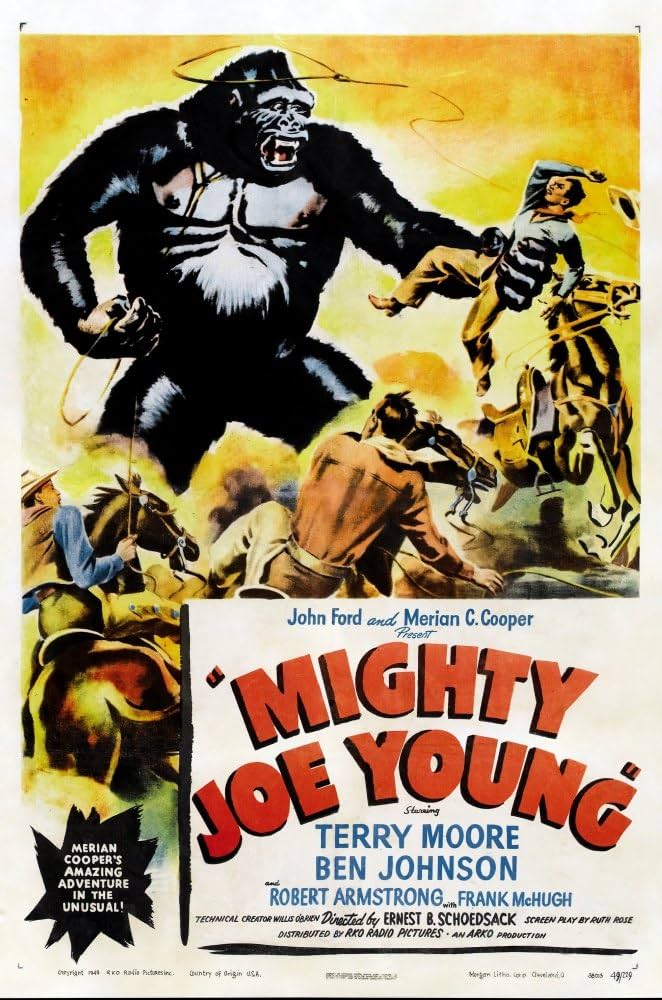
Joe took his stage name after the film of the same name (1949).