
Introduction
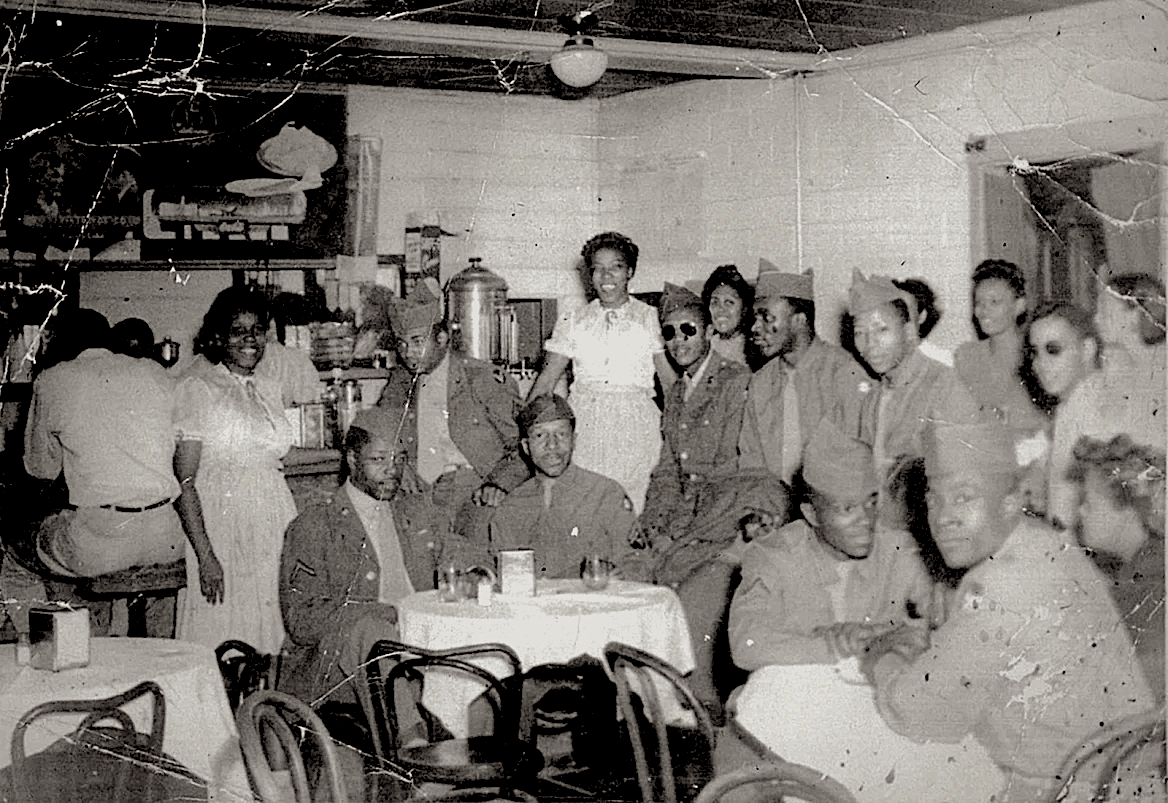
The “Chitlin’ Circuit” was the collective name given to a series of black-owned nightclubs, dance halls, juke joints and theaters that were safe and acceptable for African American entertainers to perform in during segregation.
Typically found on the outskirts of towns, in houses or assumed abandoned buildings, jukes were known for their soul food, barbecue, fish fries, gambling, drinks, sexual liaisons, dancing, and live music.
Some say, that the juke was the most important place in America for its contributions to the birth of blues and jazz.
Explanation of name 'Chitlin Circuit'
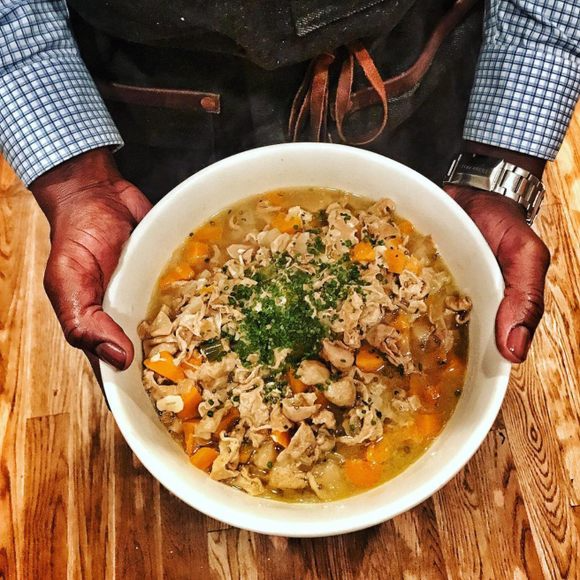
“Chitlins” are a dish made from pig intestines (for the dish, see the 'soul food' page) that date back to slavery, when the enslaved were forced to nurture themselves with the less desirable parts of animals provided by the planter class.
During antebellum hog killings were held when the weather cooled, hundreds of hogs could be killed, and that work was usually and forcibly tasked to enslaved African Americans.
After all that hard work, it was time to celebrate. The slaveholder marked the occasion with a feast, and everything that couldn’t be preserved was cooked and consumed.
What was provided in a demeaning manner was turned into soul food delicacy that remains popular in African American communities throughout the country today.
In the African American context, chitterlings now became chitlins, and like chitlins, the circuit was established to nurture African-American performers during a time when they were not allowed in most white-owned venues.
“Sometimes you play for the chitlins, that’s what you would get,” said Bobby Rush, a blues musician and self-proclaimed “King of the Chitlin Circuit.
Another view and understanding of the meaning of the "Chitlin Circuit" is the comparison with the hard work that goes into the preparation of chitterlings and the efforts that musicians have to make to earn a living through music.
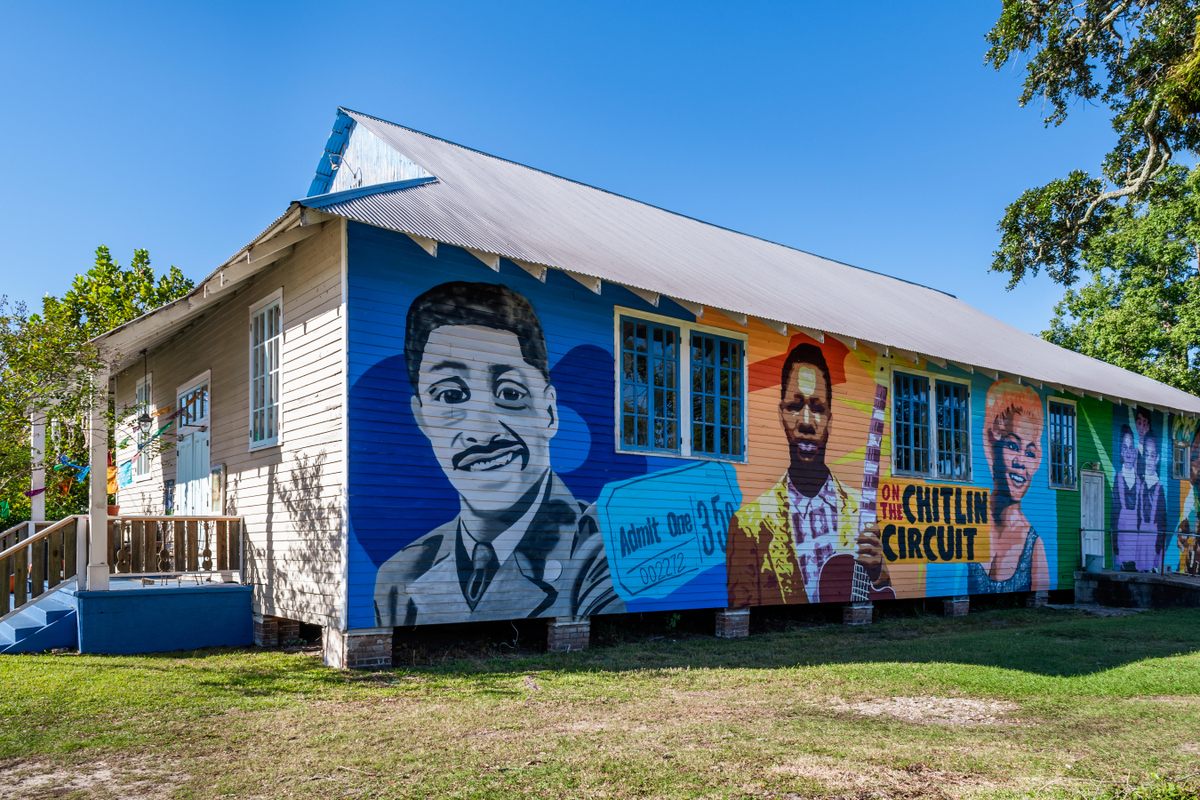
Little Milton: “Some of us are still grinding. I’ve been able to work whether I’ve had records, hot or not. To be truthful to you, I owe everything that I have, popularity and everything, to the chitlin circuit.”
History
African American performers had to work in an industry controlled by white booking agents. Jim Crow segregation limited their options for where they could perform and travel safely.
Note
The Jim Crow laws were state and local laws introduced in the Southern United States in the late 19th and early 20th centuries that enforced racial segregation, "Jim Crow" being a pejorative term for an African American.
In 1911, Sherman Dudley created his own theatrical touring company, purchased numerous entertainment venues. Dudley’s circuit thrived for several years until the white-owned-and-operated Theater Owners’ Booking Association (TOBA) was formed in 1921. TOBA dominated the southern states market and squeezed out competition from Dudley.
Dudley merged his circuit into TOBA and eventually managed the company’s Washington, D.C. office. TOBA dissolved in the 1930s, primarily because of the Great Depression and alleged mismanagement by the main principals.
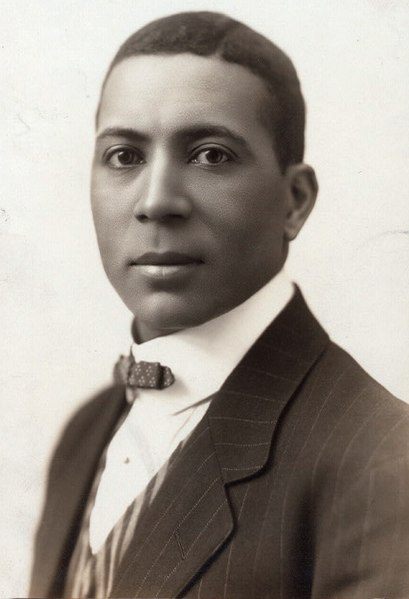
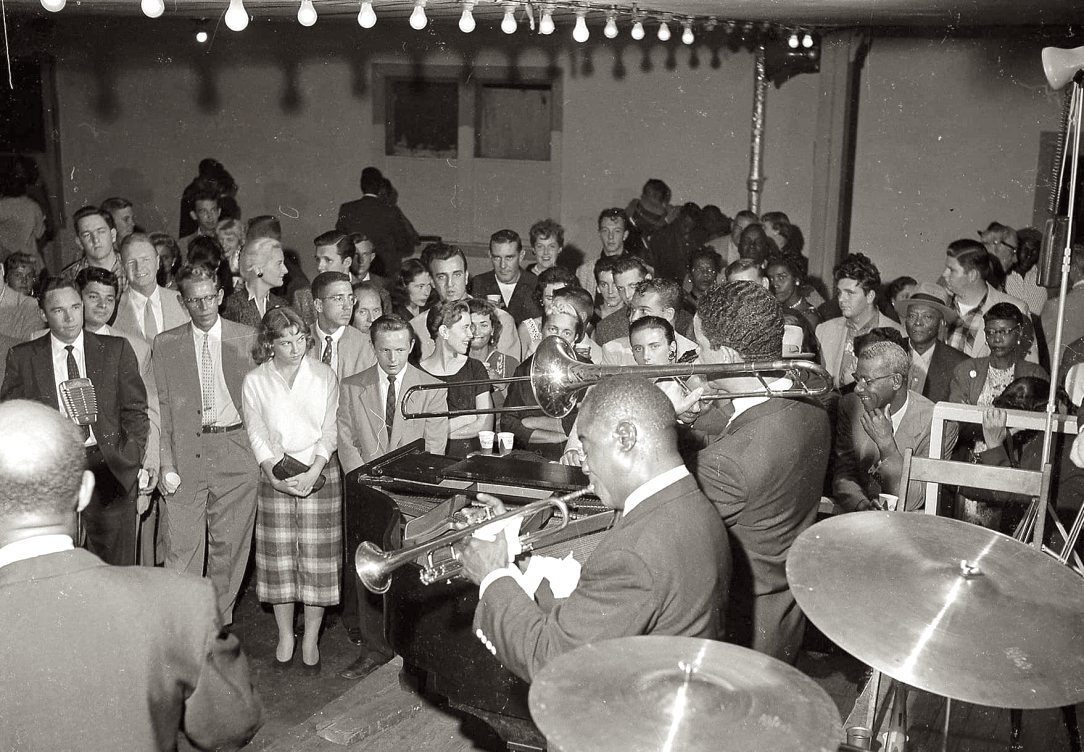
After TOBA’s demise, Denver and Sea Ferguson, two African American siblings based in Indianapolis, Indiana, formed the Ferguson Brothers Agency, whose national network of venues directly booked performers. This was the origin of the Chitlin Circuit.
After the Fergusons’ agency shut down in the late 1940s, other circuits evolved, sometimes relying on the longstanding and personal relationships that Black entertainers had with Black-owned venues.


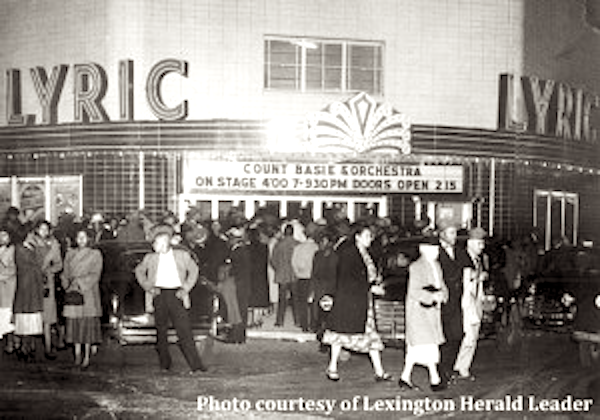
The “Chitlin Circuit” went mainstream in the late 1960s thanks to syndicated newspaper interviews with Black artists such as B.B. King, Lou Rawls, and Ike and Tina Turner.
Rawls: “I started talking, before singing a song, because it was the only way to get people’s attention. For years I played night clubs, working the chitlin circuit. These clubs were very small, very tight, very crowded, and very loud. The only way to establish communication was by telling a story to lead into a song.”
“Little” Milton Campbell, Jr. in 1974: “The kind of places that will keep you eating, will keep you making a decent buck, if you’ve got something on the ball, whether you’ve got hit records or not. If you’re hot—if you got hot records, you’re going to work. And if it gets big enough, you’re able to work anywhere. And in this business, if you know the right people, you can be promoted into the upper-class and the better joints.”

Walter Barnes, a pre-war star on the circuit
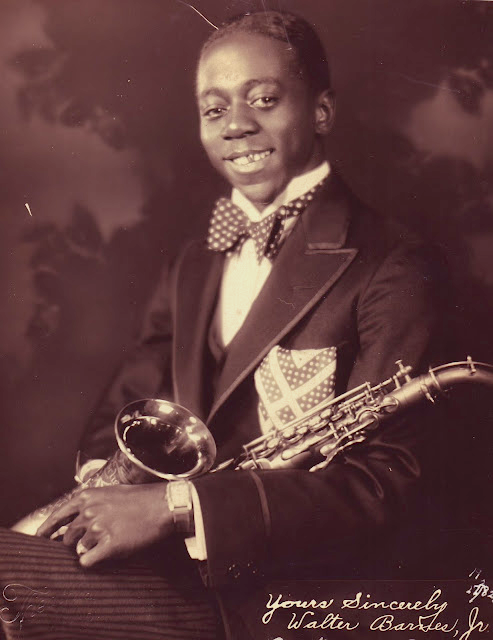
Barnes was extremely popular and the black community wherever his band would appear, would flock in large numbers to enjoy the music and dancing. He insisted on affordable entry prices to his appearances (Kim Sloan).

Venues
The venues were located in the black part of town and had a Stroll; the street where the bars were, the chicken-and-waffles or barbecue restaurants, the barber shops.
Traveling musicians could come, play, make money and go to the next town, where they could make audiences happy.
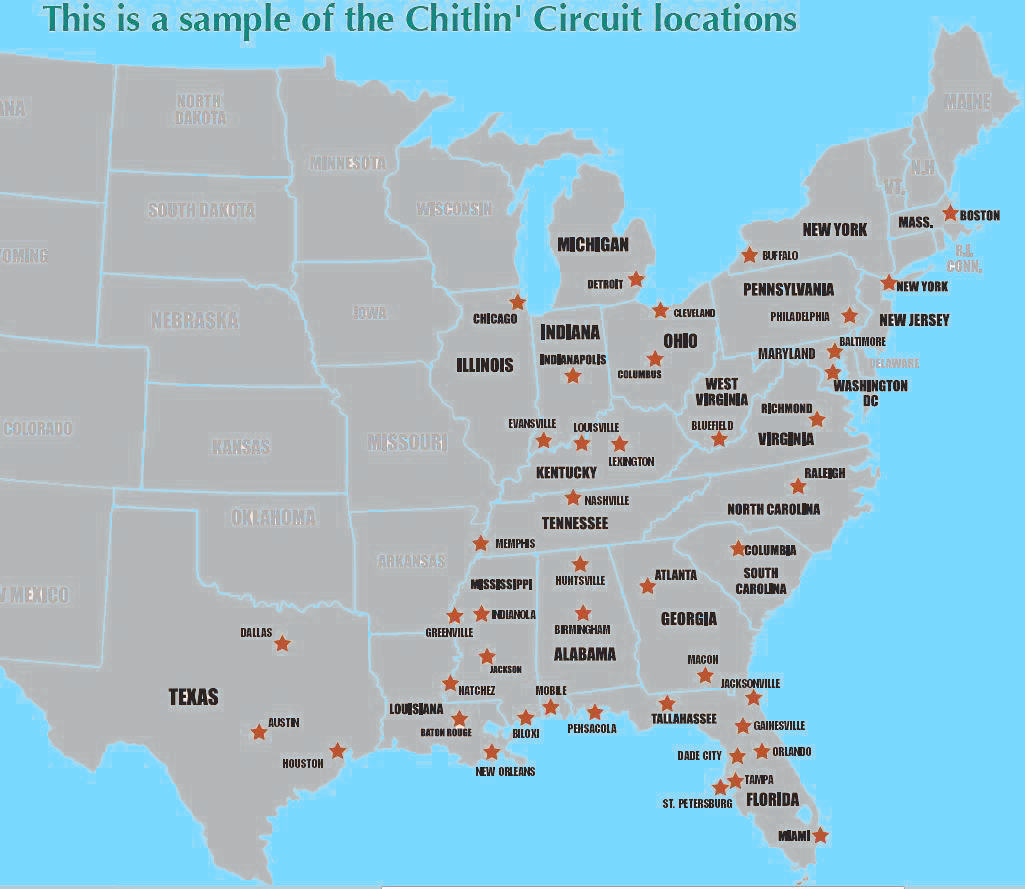
Its geography is not limited to the American South and the Northeast, but now includes the entire country.

Entertainers felt they had “made it” if they performed at one of the highly coveted venues: Atlanta’s Royal Peacock, Baltimore’s Royal Theatre, Chicago’s Regal Theatre, Detroit’s Paradise Theatre and the Fox Theatre, Harlem’s Apollo Theatre and Cotton Club, and Washington, D.C.’s Howard and Lincoln Theaters.
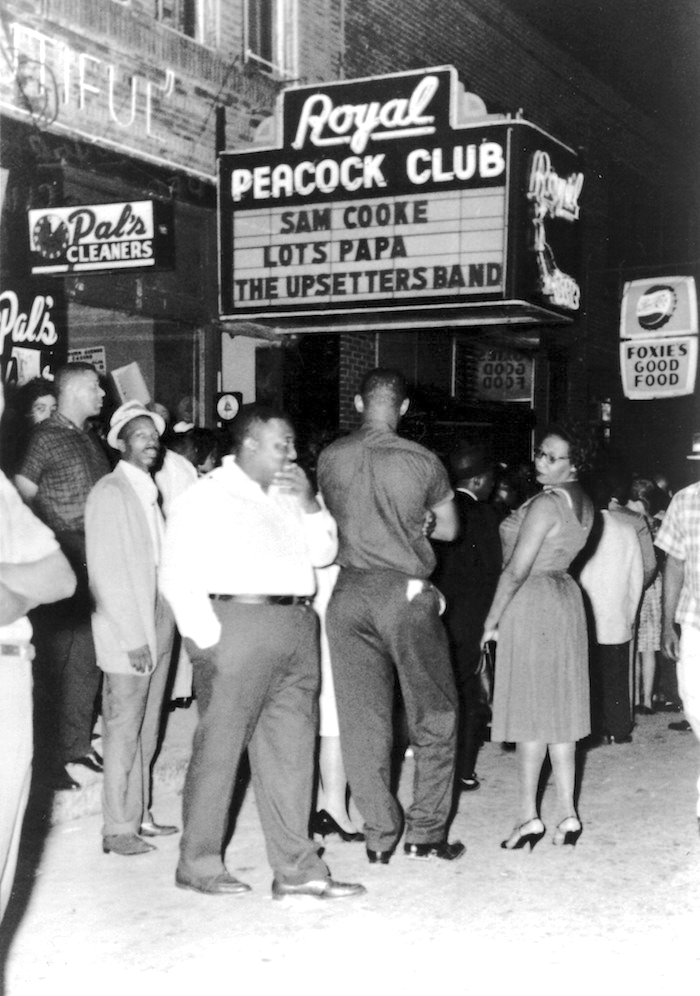


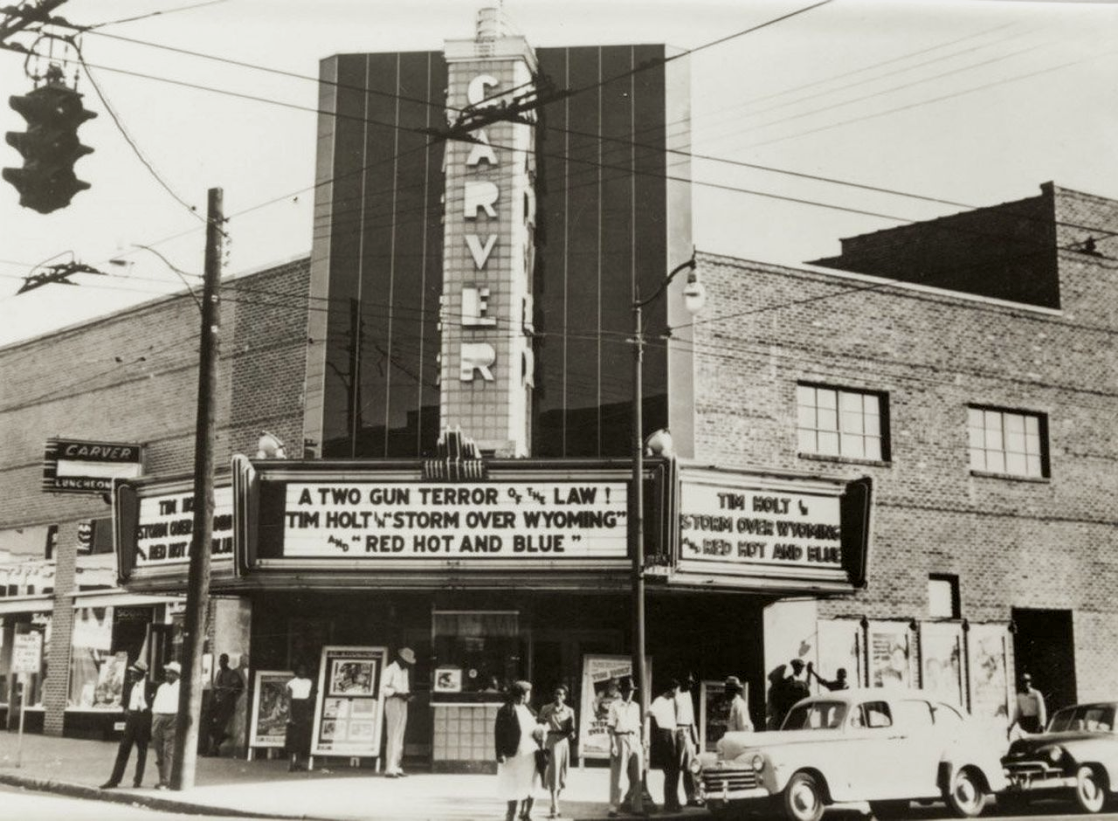


Note
More venues on the Chitlin circuit in the next episode.
I gratefully made use of articles by Ennis Davis (Jackson Mag), Ed Ward (NPR), Sheeka Sanahori (AARP), Adrian Miller (AtlasObscura) and Kim Sloan (WordPress).
Venues use the spelling theatre and theater. When addressing American English-speaking people, theater is written unless theater is used explicitly in the name.