zzxo | Trains (3)

sayings_kwibus

In this column: Cannonball Express, The Flying Crow and The Frisco, Memphis Jug Band, Peggy Lee, Dallas Jamboree Jug Band, Gus 'Banjo Joe' Cannon


CANNONBALL

“I’m goin' down to the station, catch that west cannonball”.
Sunshine Blues -- Memphis Jug Band

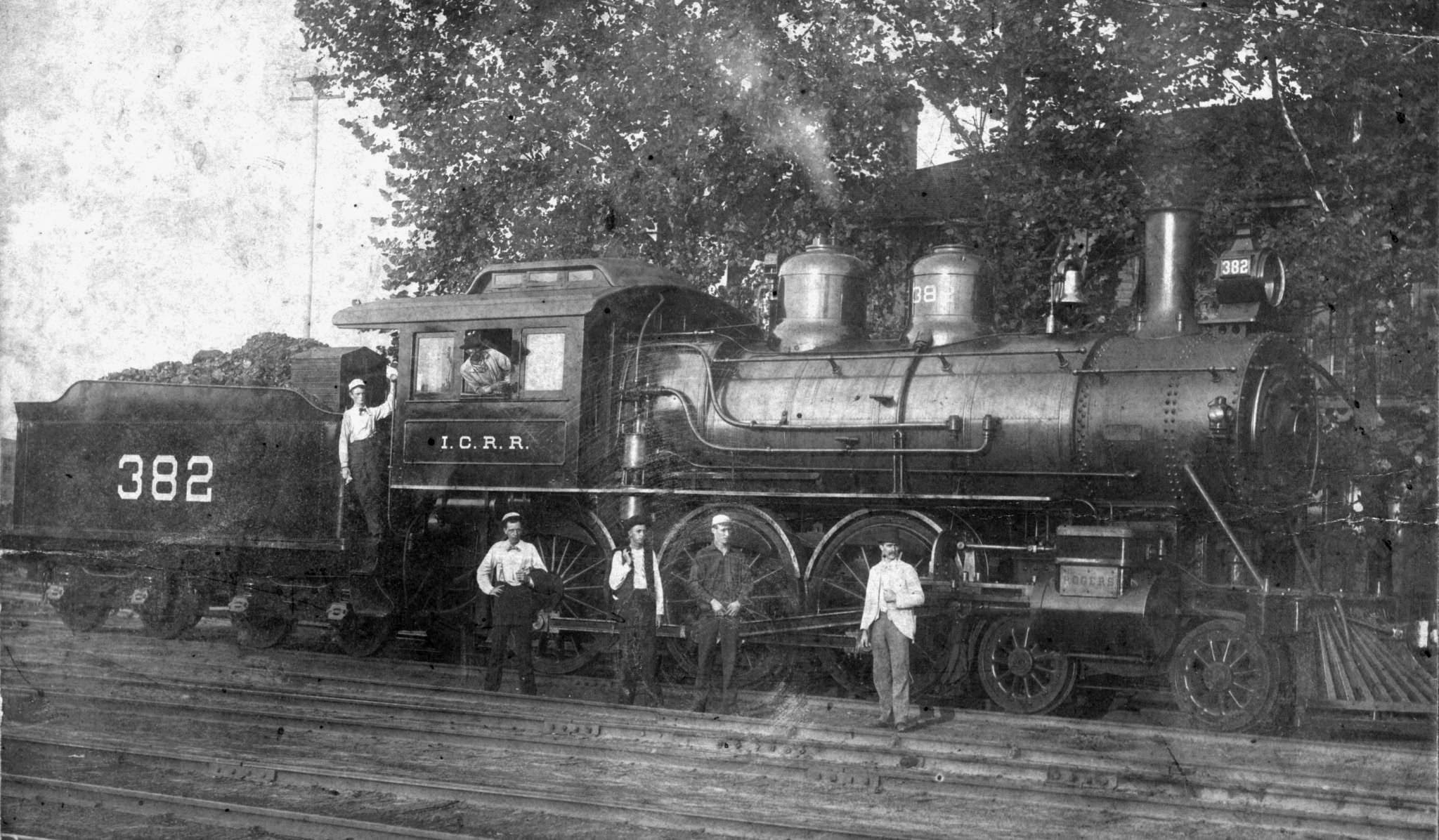
The Cannonball is a fast passenger train, that refers to a crack train (fastest train between two points) on the Illinois Central Line. On April 30, 1900, John Luther "Casey" Jones and his fireman, Sim Webb, were driving the cannonball express down to Memphis when it wrecked, killing Casey and spawning numerous songs and a movie.

Jones and Webb on the Cannonball

Sunshine Blues -- Memphis Jug Band

Cannonball Express - Peggy Lee

THE FLYING CROW

"Now, The Flying Crow left Port Arthur, Texas babe – with a red, blue light behind."
Flying Crow Blues -- Dallas Jamboree Jug Band

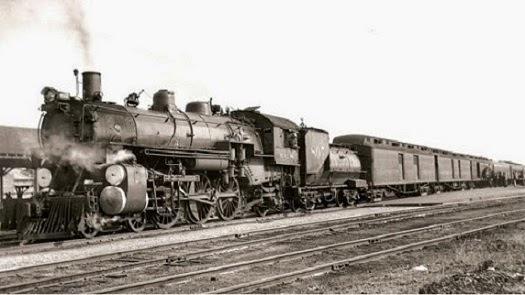
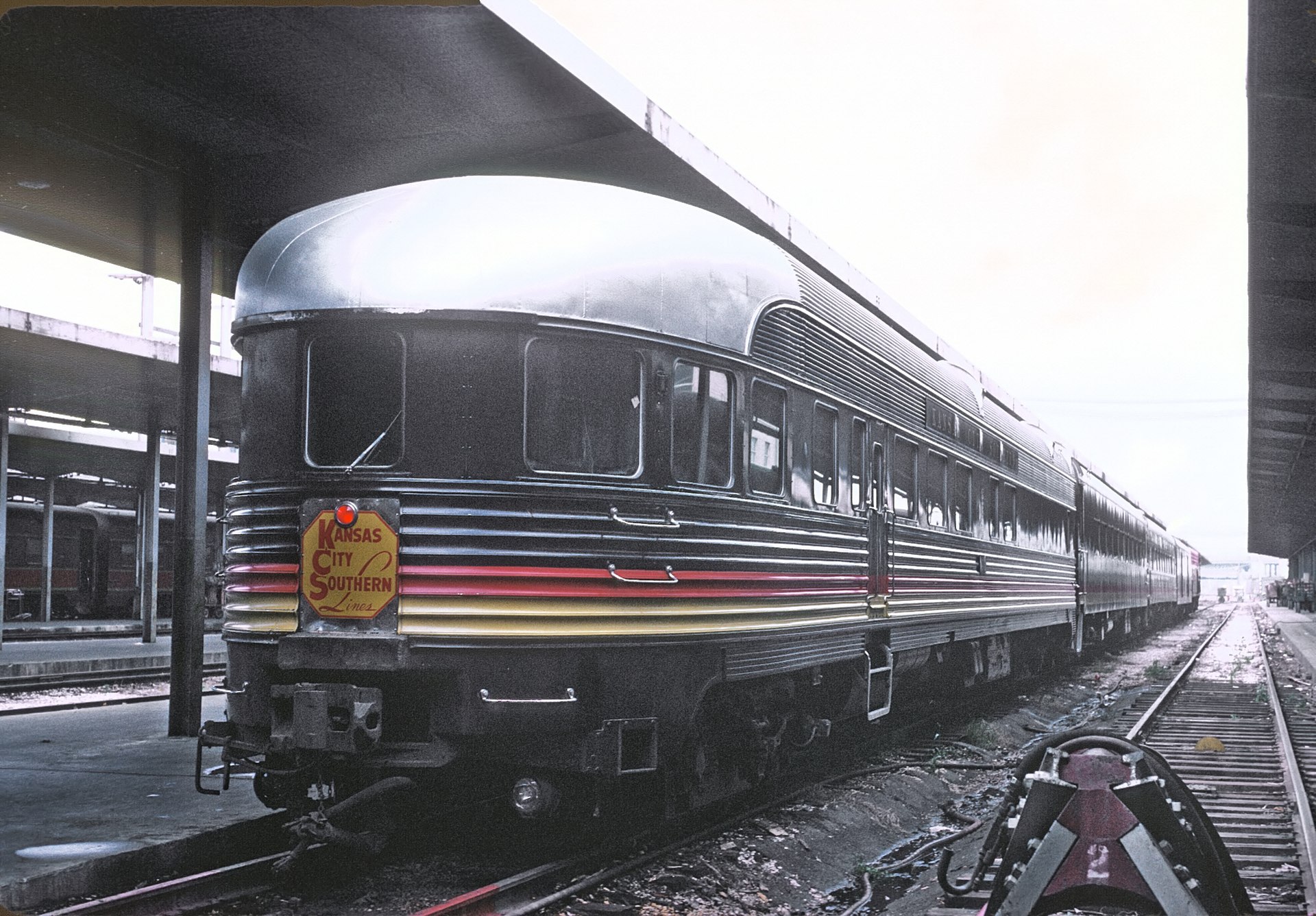
The Flying Crow is a passenger train, a flagship of the Kansas City Southern Railway. The train was anchored in Kansas City and traversing to Houston. 

The Flying Crow was the local train that made all stops. It did mostly head end business with typically only one coach on the rear. Most of its run was scheduled at night thus the reference to a black bird. Names like Owl and Starlight were taken by other railroads (F.K.Rock on Railway Preservation News).

Flying Crow Blues -- Dallas Jamboree Jug Band

The Flying Crow in 1967, New Orleans Union Terminal

THE FRISCO

“I guess I'll have to catch the Frisco out, in this land.  Catch the Frisco out.”
Poor Boy, Long Ways From Home -- Gus Cannon (as Banjo Joe)

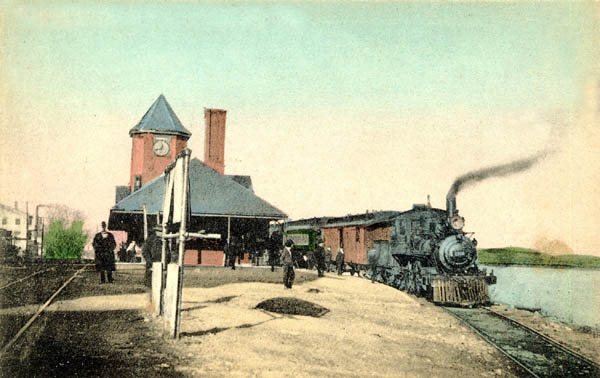
The Frisco train connects St. Louis and San Francisco.

Cape Girardeau, Missouri

Gus Cannon (as Banjo Joe) – Poor Boy, Long Ways From Home

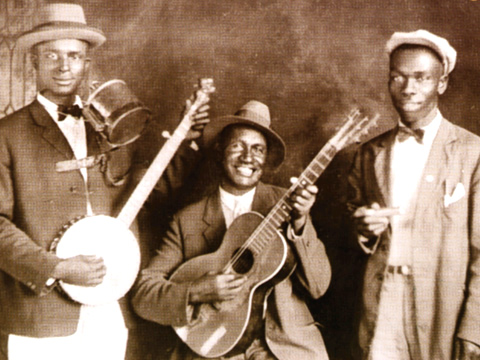
The Jug Stompers

Cannon (to the left) left Clarksdale around 1907 and settled near Memphis, Tennessee. He met the harmonica player Noah Lewis, who introduced him to a young guitar player, Ashley Thompson. Lewis and Thompson later were members of Cannon's Jug Stompers. The three of them formed a band to play at parties and dances. In 1914 Cannon began touring in medicine shows. He supported his family through various jobs, including sharecropping, ditch digging, and yard work, but supplemented his income with music (Wikipedia).
With a special brace, Gus could blow his jug and play the banjo at the same time.

Sourcesfederalcigarjugband.com, pancocojams.blogspot.nl, americanbluesscene.com, YouTube, Wikipedia, Hudson Motors Compagny, Archive Minneapolis, The Cruel Plains, M.H.Price a.o., truewestmagazine.com, The Austin Chronicle, Cambridge Free English Dictionary, Oxford Dictionary, TheSaurus.com, dragonjazz.com/grablue/blues_travel, Encyclopedia of African American Popular Culture, Blues by Paul Breman, Blues by David Harrison, Quora.com, urbandictionary.com, Blogs.loc.gov, The Ballad Hunter by Alan Lomax, Black Pearls: Blues Queens of the 1920th by Daphne Duval Harrison, jopiepopie.blogspot.nl, redhotjazz.com, The Blues Lyrics Formula by Michael Taft, American Ballads and Folk Songs by Alan Lomax and John Avery Lomax, The Past Is Not Dead: Essays from the  Southern Quarterly by Douglas B. Chambers, EarlyBlues.com, railroad-line.com,  Jason Lee Davis' RailFan Pages , centertruthjustice.org